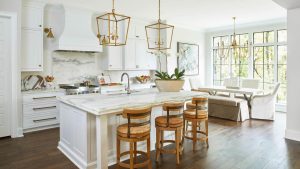

Natural wood cabinets are sure to add warmth, coziness, and timelessness to any kitchen. Moreover, the different grains and shades of tone give it character and depth. Here are some beautiful examples for your inspiration:
“Modern kitchen with light-toned wood cabinets, white countertops, and stainless steel appliances”
• Modern Minimalism:
Light color wooden cabinets combined with clean lines and minimalist decor give it a modern touch with much warmth.
• Rustic Appeal:
Dark wood cabinets can create a rustic ambiance by being accentuated with farmhouse-style elements such as exposed brick and vintage lighting.
• Scandinavian Simplicity:
Light wood cabinets on white walls with marble countertops give a very clean and minimalist look.
• Classic Elegance:
Dark wood cabinets can add a touch of classic elegance to traditional elements like brass hardware and patterned tile backsplashes.
Things to Keep in Mind in Choosing Natural Wood Cabinets:
• Type of Wood:
Popular ones include oak, maple, cherry, and walnut. All these types of wood have different grain patterns along with color.
• Finish:
Consider how much shine one would like. Options range from flat matte all the way to glossy.
• Hardware:
Select hardware that will best complement your cabinet style and overall kitchen design.
• Countertops:
This will greatly affect the general outlook of your kitchen. You can use quartz, granite, or marble.
Additional Tips:
• Lighting:
Allow the natural beauty of the wood cabinets to show through by using proper lighting. It is advisable to incorporate overhead and under-cabinet lighting.
• Accessories:
Give your kitchen some character with plants, artwork, and other decorative items you may want to add.
• Maintenance:
To retain the look of natural wood cabinets, they need to be re-sealed almost every five to seven years. Also, they require cleaning with a mild type of wood cleaner. Harsh chemicals must be avoided for cleaning such kinds of cabinets.

Types of Kitchen Cabinets by Style
The style of your kitchen cabinets plays a significant role in the overall look and feel of your kitchen. Here are some of the most popular cabinet styles:
1. Shaker Cabinets
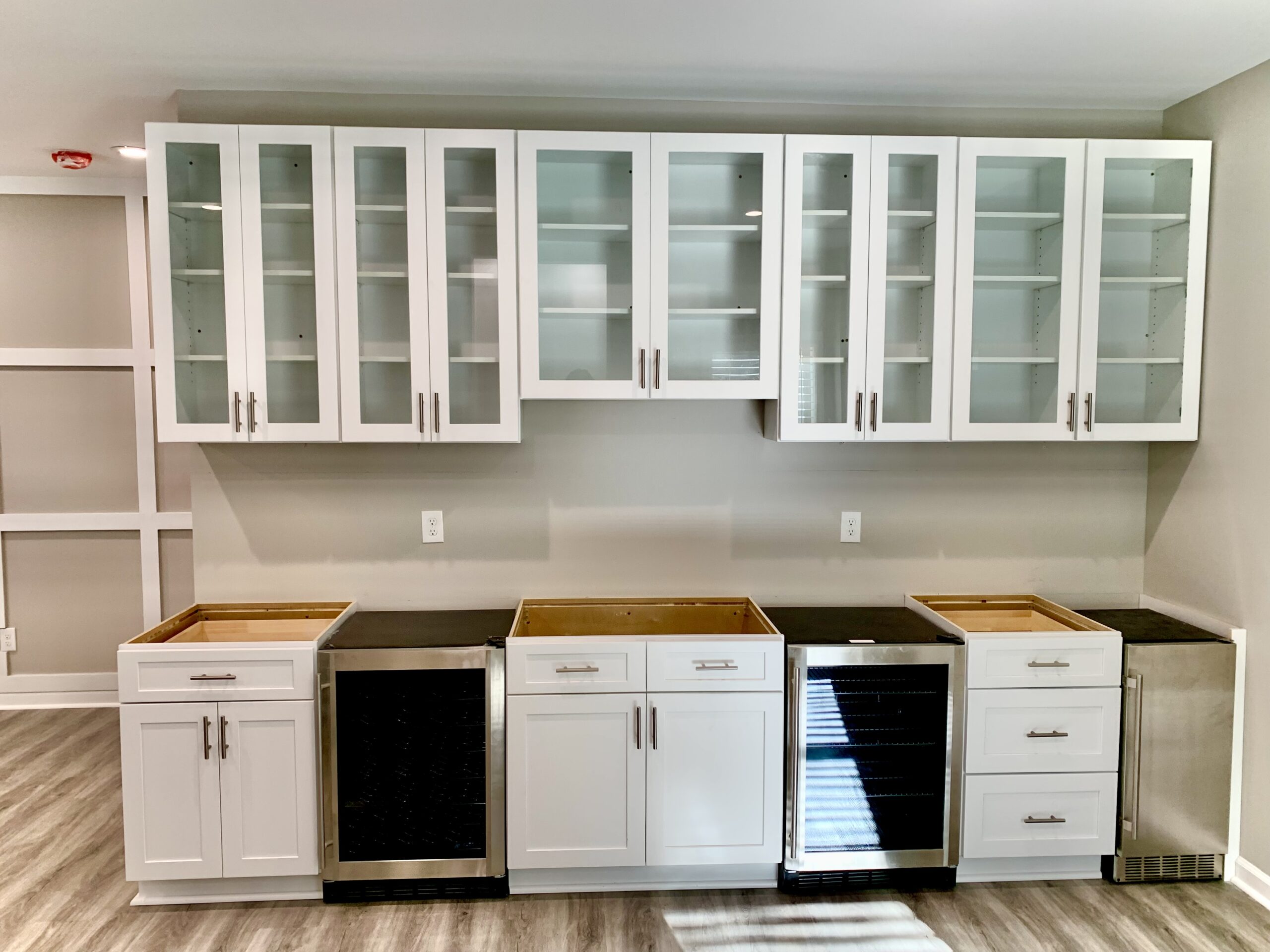
Shaker cabinets are among the most popular styles, known for their simple, clean lines and timeless appeal. They feature a flat panel with a square frame, making them versatile and suitable for a variety of kitchen designs.
Pros:
- Versatile Design: Shaker cabinets can complement both traditional and modern kitchen styles.
- Affordable: Shaker cabinets are often more affordable than other styles, making them a popular choice for budget-conscious homeowners.
- Timeless Appeal: The simple, classic design of Shaker cabinets ensures they remain in style for years to come.
Cons:
- Limited Detail: The simplicity of Shaker cabinets may not appeal to those looking for more intricate or ornate designs.
- Common Style: Because they are so popular, Shaker cabinets may not provide the unique, standout look some homeowners desire.
2. Flat-Panel (Slab) Cabinets
Flat-panel cabinets, also known as slab cabinets, feature a smooth, flat door with no framing or raised detailing. This style is often associated with modern and minimalist kitchen designs.
Pros:
- Sleek and Modern: Flat-panel cabinets offer a clean, streamlined look that is perfect for contemporary kitchens.
- Easy to Clean: With no grooves or detailing, these cabinets are easy to wipe down and keep clean.
- Wide Range of Finishes: Flat-panel cabinets can be finished in a variety of materials, including wood, laminate, and high-gloss acrylic.
Cons:
- Minimal Design: The simplicity of flat-panel cabinets may not appeal to those looking for a more traditional or detailed look.
- Fingerprints: Depending on the finish, flat-panel cabinets can show fingerprints and smudges more easily than other styles.
3. Inset Cabinets
Inset cabinets feature doors and drawers that are set into the cabinet frame, creating a flush, seamless look. This style requires precise craftsmanship and is often found in high-end kitchens.
Pros:
- High-End Look: Inset cabinets offer a sophisticated, custom appearance that can elevate the overall look of your kitchen.
- Durability: The tight construction of inset cabinets often results in a sturdy, long-lasting product.
- Classic Appeal: Inset cabinets have a timeless design that works well in both traditional and transitional kitchens.
Cons:
- Expensive: Due to the precision required in their construction, inset cabinets are more expensive than other styles.
- Limited Storage: Because the doors are set inside the frame, inset cabinets may offer slightly less storage space than other styles.
- Potential for Misalignment: Over time, the doors and drawers of inset cabinets can become misaligned, requiring adjustments.
4. Raised-Panel Cabinets
Raised-panel cabinets are characterized by a center panel that is slightly raised above the surrounding frame. This style is often associated with traditional and formal kitchen designs.
Pros:
- Ornate Design: Raised-panel cabinets offer a more decorative, detailed look that is perfect for traditional kitchens.
- Variety of Finishes: These cabinets are available in a wide range of finishes, allowing you to customize the look to match your kitchen.
- Timeless Appeal: The raised-panel design has a classic quality that adds elegance to any kitchen.
Cons:
- Expensive: Raised-panel cabinets are typically more expensive due to the additional materials and labor involved in their construction.
- Difficult to Clean: The grooves and detailing of raised-panel cabinets can make them harder to clean, especially in high-traffic kitchens.
- Heavier Appearance: The ornate design of raised-panel cabinets can make a kitchen feel more formal and less open.
Types of Kitchen Cabinets by Material
The material used for your kitchen cabinets will greatly affect their durability, appearance, and cost. Here are some of the most common materials used for kitchen cabinets:
1. Solid Wood Cabinets
Solid wood cabinets are made from natural wood and are prized for their durability and timeless appeal. Popular wood types include oak, maple, cherry, and hickory.
Pros:
- Durability: Solid wood is strong and durable, making it an excellent choice for long-lasting cabinets.
- Natural Beauty: The natural grain and texture of wood add warmth and character to a kitchen.
- Customizable: Solid wood can be stained, painted, or left natural, offering a wide range of customization options.
Cons:
- Expensive: Solid wood cabinets are among the most expensive options due to the cost of materials and craftsmanship.
- Susceptible to Warping: Wood can warp or crack if exposed to moisture or temperature changes.
- Maintenance: Solid wood cabinets may require regular maintenance, such as refinishing, to keep them looking their best.
2. Plywood Cabinets
Plywood cabinets are made from thin layers of wood veneer glued together, offering a strong and stable option for cabinet construction.
Pros:
- Strong and Stable: Plywood is less prone to warping and shrinking compared to solid wood, making it a durable choice.
- Cost-Effective: Plywood cabinets are generally less expensive than solid wood but still offer a high-quality appearance.
- Lightweight: Plywood is lighter than solid wood, making it easier to handle and install.
Cons:
- Less Natural Look: While plywood can be finished to look like solid wood, it doesn’t have the same depth of grain or texture.
- Quality Varies: The quality of plywood can vary depending on the number of layers and the type of wood used.
- Edge Exposure: The edges of plywood can be prone to chipping or damage if not properly finished.
3. MDF (Medium-Density Fiberboard) Cabinets
MDF cabinets are made from wood fibers combined with resin and compressed to create a dense, smooth panel. MDF is a popular material for painted cabinets.
Pros:
- Smooth Surface: MDF has a smooth, uniform surface that is ideal for painting and finishing.
- Affordable: MDF is less expensive than solid wood or plywood, making it a budget-friendly option.
- Stable: MDF is resistant to warping and cracking, making it a reliable material for cabinet doors.
Cons:
- Less Durable: MDF is not as strong or durable as solid wood or plywood, and it can be prone to dents and scratches.
- Vulnerable to Moisture: MDF can swell and deteriorate if exposed to water or high humidity.
- Heavy: MDF is denser and heavier than plywood, which can make it more difficult to work with.
4. Laminate Cabinets
Laminate cabinets are made by applying a thin layer of plastic laminate over a substrate like MDF or particleboard. They are known for their durability and variety of styles.
Pros:
- Durable: Laminate is resistant to scratches, stains, and moisture, making it ideal for busy kitchens.
- Wide Range of Styles: Laminate is available in a vast array of colors, patterns, and textures, allowing for extensive customization.
- Low Maintenance: Laminate cabinets are easy to clean and require minimal upkeep.
Cons:
- Artificial Look: Some people find that laminate lacks the warmth and natural appearance of wood.
- Chipping: The edges of laminate cabinets can chip if not properly sealed or if subjected to heavy wear.
- Difficult to Repair: Once laminate is damaged, it is challenging to repair, and the entire piece often needs to be replaced.
Choosing the Right Kitchen Cabinets for Your Home
Choosing the right type of kitchen cabinets involves balancing your budget, style preferences, and functional needs. Whether you opt for budget-friendly stock cabinets, customizable semi-custom options, or fully personalized custom cabinets, there’s a solution for every kitchen and every budget.
Understanding the differences between cabinet types, styles, and materials will help you make an informed decision that enhances the functionality and aesthetic appeal of your kitchen. Remember, your kitchen is one of the most important spaces in your home, and the right cabinets can make all the difference.