
Stained Kitchen Cabinets - MATT CABINET

Stained Kitchen Cabinets

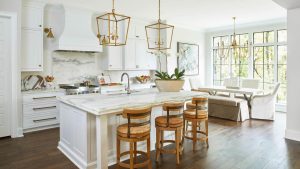
Stained kitchen cabinets bring a whole new level of sophistication in adding depth and character to your kitchen. The rich tones and varied grain patterns of stained wood can elevate any modern, rustic, or traditional kitchen design. Here’s why stained kitchen cabinets are perfect for your home:

Matt stained kitchen cabinets

Matt stained kitchen cabinets

Key Benefits of Stained Kitchen Cabinets:

• Rich Look: Stained cabinets have a dark and rich look that enhances the natural grain of the wood. The tone of the stain could range anywhere from warm golden shades to deep, rich browns.

• Classic Beauty: The stained wood cabinets never go out of style. They could add a traditional charm to a room or complement a modern design with their sophistication.

• Versatility: Stained cabinets come in a wide array of colors and finishes. From the light oak wood stain, which can bring in so much brightness and lightness to the atmosphere, to even the darkened walnut for those cozy, intimate settings, there is something to suit each taste.

• Durability: More often than not, stained kitchen cabinets are treated with a protective finish to make them more resistant to wear and tear. Therefore, they are capable of sustaining a busy workload in the kitchen while remaining beautiful.

• Easy Maintenance: Stains can help camouflage minor scratches and wear in wood cabinets. They require only regular cleaning with a mild wood cleaner to keep them fresh and vibrant.

How to Choose the Right Stain for Kitchen Cabinets

• Type of Wood: Not all types of wood will take the stain in the same manner or wear it out the same. Some popular types of wood include oak, maple, cherry, and walnut. Different types of wood absorb stain at different levels, thus affecting final color and appearance.

Stain Color: Choose a stain color that will go in harmony with the general color of your kitchen. Lighter stains lighten the area, while darker ones contrast quite dramatically.

Finish Options: The options include choices between matte, satin, and glossy. The finish of each of these will give different sheens and overall looks to the cabinets.

Hardware: Coordinate your cabinet hardware to your stained cabinets for a finished look. Choices such as brushed nickel, oiled-rubbed bronze, or antique brass can really add some class to the overall design.

More Tips for Care of Stained Kitchen Cabinets:

Regular Cleaning: Clean the finish with a soft cloth and a mild wood cleaner. Harsh chemicals should not be used; they may harm the stain.

• No High Moisture: Keep the cabinets dry to avoid too much moisture, which could cause warping and damage.

• Restaining: You may need to restain your cabinets after a while once they wear and tear to keep up appearances.

Why Choose Stained Kitchen Cabinets?

Stained kitchen cabinets add depth and class, highlighting the natural beauty of the wood. Timeless in appeal, versatile, and strong, stained kitchen cabinets easily fit into any style of kitchen design. As long as you choose the right stain and care for your cabinets properly, you will be able to enjoy their beauty for years to come.

stained kitchen cabinets

Types of Kitchen Cabinets by Style

The style of your kitchen cabinets plays a significant role in the overall look and feel of your kitchen. Here are some of the most popular cabinet styles:

1. Shaker Cabinets

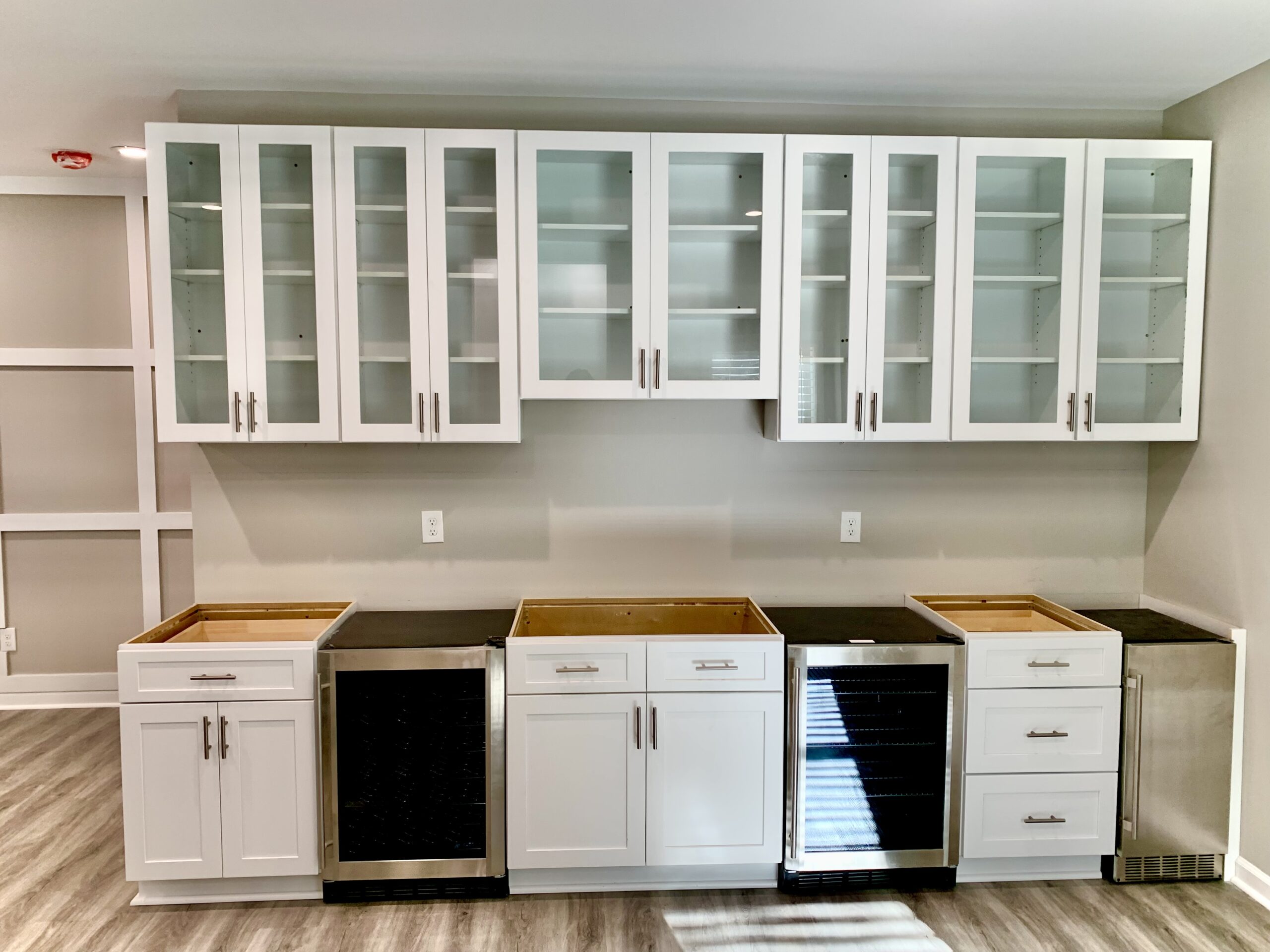
Shaker cabinets are among the most popular styles, known for their simple, clean lines and timeless appeal. They feature a flat panel with a square frame, making them versatile and suitable for a variety of kitchen designs.

Pros:

  • Versatile Design: Shaker cabinets can complement both traditional and modern kitchen styles.
  • Affordable: Shaker cabinets are often more affordable than other styles, making them a popular choice for budget-conscious homeowners.
  • Timeless Appeal: The simple, classic design of Shaker cabinets ensures they remain in style for years to come.

Cons:

  • Limited Detail: The simplicity of Shaker cabinets may not appeal to those looking for more intricate or ornate designs.
  • Common Style: Because they are so popular, Shaker cabinets may not provide the unique, standout look some homeowners desire.

2. Flat-Panel (Slab) Cabinets

Flat-panel cabinets, also known as slab cabinets, feature a smooth, flat door with no framing or raised detailing. This style is often associated with modern and minimalist kitchen designs.

Pros:

  • Sleek and Modern: Flat-panel cabinets offer a clean, streamlined look that is perfect for contemporary kitchens.
  • Easy to Clean: With no grooves or detailing, these cabinets are easy to wipe down and keep clean.
  • Wide Range of Finishes: Flat-panel cabinets can be finished in a variety of materials, including wood, laminate, and high-gloss acrylic.

Cons:

  • Minimal Design: The simplicity of flat-panel cabinets may not appeal to those looking for a more traditional or detailed look.
  • Fingerprints: Depending on the finish, flat-panel cabinets can show fingerprints and smudges more easily than other styles.

3. Inset Cabinets

Inset cabinets feature doors and drawers that are set into the cabinet frame, creating a flush, seamless look. This style requires precise craftsmanship and is often found in high-end kitchens.

Pros:

  • High-End Look: Inset cabinets offer a sophisticated, custom appearance that can elevate the overall look of your kitchen.
  • Durability: The tight construction of inset cabinets often results in a sturdy, long-lasting product.
  • Classic Appeal: Inset cabinets have a timeless design that works well in both traditional and transitional kitchens.

Cons:

  • Expensive: Due to the precision required in their construction, inset cabinets are more expensive than other styles.
  • Limited Storage: Because the doors are set inside the frame, inset cabinets may offer slightly less storage space than other styles.
  • Potential for Misalignment: Over time, the doors and drawers of inset cabinets can become misaligned, requiring adjustments.

4. Raised-Panel Cabinets

Raised-panel cabinets are characterized by a center panel that is slightly raised above the surrounding frame. This style is often associated with traditional and formal kitchen designs.

Pros:

  • Ornate Design: Raised-panel cabinets offer a more decorative, detailed look that is perfect for traditional kitchens.
  • Variety of Finishes: These cabinets are available in a wide range of finishes, allowing you to customize the look to match your kitchen.
  • Timeless Appeal: The raised-panel design has a classic quality that adds elegance to any kitchen.

Cons:

  • Expensive: Raised-panel cabinets are typically more expensive due to the additional materials and labor involved in their construction.
  • Difficult to Clean: The grooves and detailing of raised-panel cabinets can make them harder to clean, especially in high-traffic kitchens.
  • Heavier Appearance: The ornate design of raised-panel cabinets can make a kitchen feel more formal and less open.
kitchen cabinets

Types of Kitchen Cabinets by Material

The material used for your kitchen cabinets will greatly affect their durability, appearance, and cost. Here are some of the most common materials used for kitchen cabinets:

1. Solid Wood Cabinets

Solid wood cabinets are made from natural wood and are prized for their durability and timeless appeal. Popular wood types include oak, maple, cherry, and hickory.

Pros:

  • Durability: Solid wood is strong and durable, making it an excellent choice for long-lasting cabinets.
  • Natural Beauty: The natural grain and texture of wood add warmth and character to a kitchen.
  • Customizable: Solid wood can be stained, painted, or left natural, offering a wide range of customization options.

Cons:

  • Expensive: Solid wood cabinets are among the most expensive options due to the cost of materials and craftsmanship.
  • Susceptible to Warping: Wood can warp or crack if exposed to moisture or temperature changes.
  • Maintenance: Solid wood cabinets may require regular maintenance, such as refinishing, to keep them looking their best.

2. Plywood Cabinets

Plywood cabinets are made from thin layers of wood veneer glued together, offering a strong and stable option for cabinet construction.

Pros:

  • Strong and Stable: Plywood is less prone to warping and shrinking compared to solid wood, making it a durable choice.
  • Cost-Effective: Plywood cabinets are generally less expensive than solid wood but still offer a high-quality appearance.
  • Lightweight: Plywood is lighter than solid wood, making it easier to handle and install.

Cons:

  • Less Natural Look: While plywood can be finished to look like solid wood, it doesn’t have the same depth of grain or texture.
  • Quality Varies: The quality of plywood can vary depending on the number of layers and the type of wood used.
  • Edge Exposure: The edges of plywood can be prone to chipping or damage if not properly finished.

3. MDF (Medium-Density Fiberboard) Cabinets

MDF cabinets are made from wood fibers combined with resin and compressed to create a dense, smooth panel. MDF is a popular material for painted cabinets.

Pros:

  • Smooth Surface: MDF has a smooth, uniform surface that is ideal for painting and finishing.
  • Affordable: MDF is less expensive than solid wood or plywood, making it a budget-friendly option.
  • Stable: MDF is resistant to warping and cracking, making it a reliable material for cabinet doors.

Cons:

  • Less Durable: MDF is not as strong or durable as solid wood or plywood, and it can be prone to dents and scratches.
  • Vulnerable to Moisture: MDF can swell and deteriorate if exposed to water or high humidity.
  • Heavy: MDF is denser and heavier than plywood, which can make it more difficult to work with.

4. Laminate Cabinets

Laminate cabinets are made by applying a thin layer of plastic laminate over a substrate like MDF or particleboard. They are known for their durability and variety of styles.

Pros:

  • Durable: Laminate is resistant to scratches, stains, and moisture, making it ideal for busy kitchens.
  • Wide Range of Styles: Laminate is available in a vast array of colors, patterns, and textures, allowing for extensive customization.
  • Low Maintenance: Laminate cabinets are easy to clean and require minimal upkeep.

Cons:

  • Artificial Look: Some people find that laminate lacks the warmth and natural appearance of wood.
  • Chipping: The edges of laminate cabinets can chip if not properly sealed or if subjected to heavy wear.
  • Difficult to Repair: Once laminate is damaged, it is challenging to repair, and the entire piece often needs to be replaced.

Choosing the Right Kitchen Cabinets for Your Home

Choosing the right type of kitchen cabinets involves balancing your budget, style preferences, and functional needs. Whether you opt for budget-friendly stock cabinets, customizable semi-custom options, or fully personalized custom cabinets, there’s a solution for every kitchen and every budget.

Understanding the differences between cabinet types, styles, and materials will help you make an informed decision that enhances the functionality and aesthetic appeal of your kitchen. Remember, your kitchen is one of the most important spaces in your home, and the right cabinets can make all the difference.